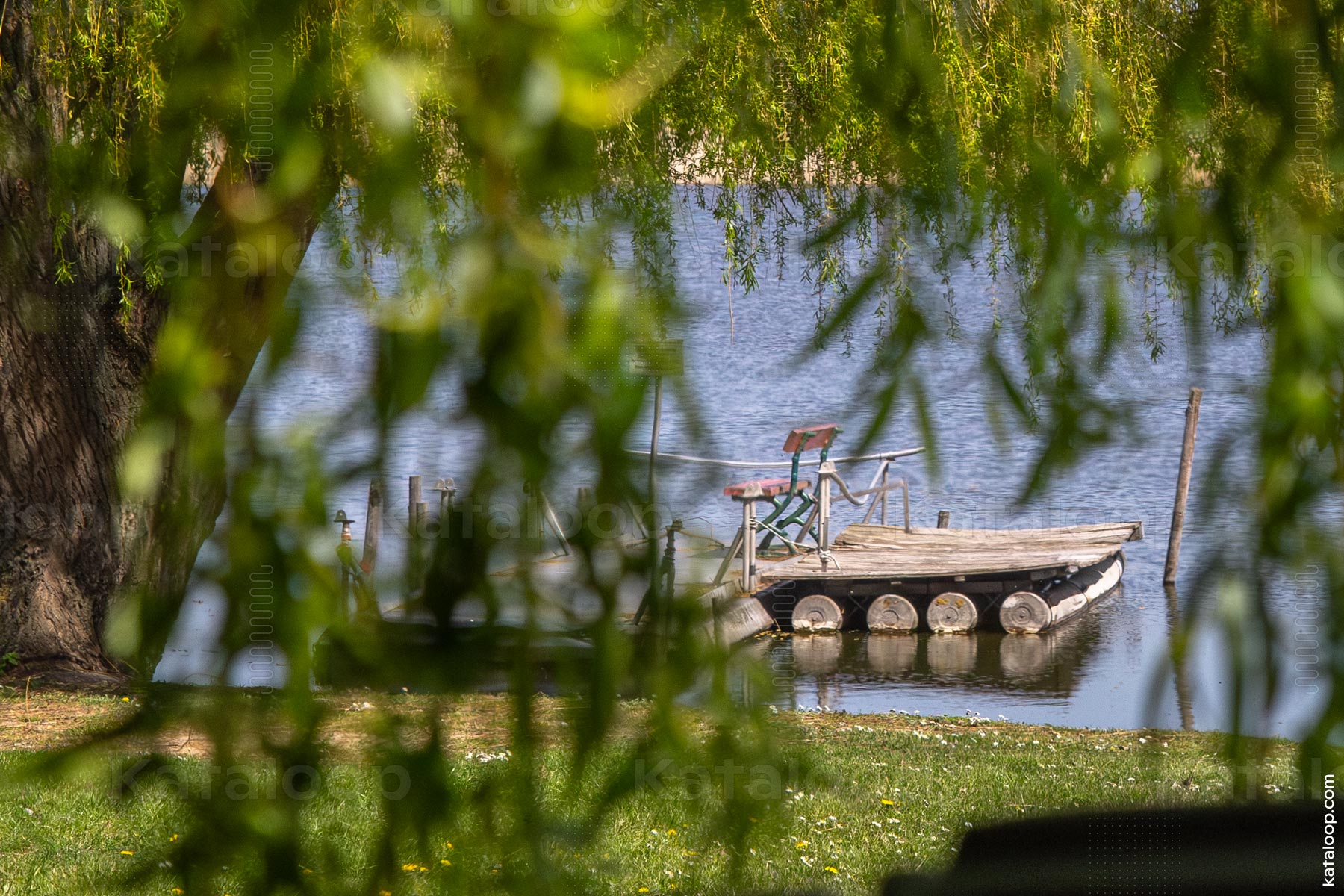
Serene lakeside view with caravan and willow tree
Select your license:

Questions about the subject, usage, technology & more
Why do weeping willows grow so close to water?
Weeping willows (Salix babylonica) thrive near water because their roots actively seek moisture. They can absorb large amounts of water daily, making lakesides and riverbanks their ideal habitat. Their drooping branches also help reduce wind and erosion along shorelines. In Brandenburg, they are a common sight at calm lakes like the Bückwitzer See.
How can this photo be used?
With a commercial license from Kataloop, this photo suits tourism brands, camping gear companies, and travel providers communicating authentic holiday atmosphere. Example uses include travel magazines, booking platforms, social media campaigns on camping or slow travel, and background visuals for outdoor-focused websites. The high resolution also supports large-format print applications such as posters or trade show displays.
What mood does this photo convey?
The perspective through the windshield creates a clear association with arrival and anticipation. The framed view of the willow, dock, and lake feels calm and focused without being sentimental. The bright spring green of the willow branches and the still blue of the lake convey a contrast between movement and stillness, making this image useful for campaigns centered on taking a break or connecting with nature.
What equipment was used to capture this photo?
Shot from inside a caravan, this photo demonstrates how the Sony Alpha 7 (ILCE-7) handles high contrast between a dark interior and a bright outdoor scene without losing detail. Its full-frame sensor delivers 5814 x 3876 pixels, making large-format print use straightforward. The willow tree and dock remain sharply defined despite the layered, framed perspective.
What visual style or trend does this photo represent?
The image uses the widely adopted visual approach of the framed view, where foreground elements such as branches or vehicle parts guide the eye and create depth. Socially, it reflects the growing interest in van life, camping travel, and slow travel, which has been in strong editorial and advertising demand for several years. The unstaged perspective from inside the vehicle emphasizes authenticity, a key criterion in contemporary image selection.
The Prignitz district in Brandenburg is one of Germany's least densely populated regions, drawing visitors primarily through unspoiled nature, wide open fields, and quiet lakes. Away from Berlin's urban pace, the area offers hiking trails, cycling routes along lake landscapes, and camping in natural surroundings. The open flatlands and expansive skies of the Prignitz define many visuals sought for nature communication, tourism campaigns, and travel publications.